
MTL à Table 2025: A Newcomer’s Feast in Montréal’s Restaurant Week
Every fall, Montréal transforms into a city-wide dining adventure, and in 2025, MTL à TABLE (October 30 – November 16) promises one of its most exciting editions yet. With over 150 participating restaurants offering fixed-price menus ranging from $35 to $80 for dinner and $25 for brunch, it’s the perfect time for newcomers to taste the essence of Montréal without breaking the bank. This long-form article explores the event through the eyes of a newcomer discovering the city, weaving together practical guidance and sensory storytelling. It covers how to pick the right restaurant and neighbourhood, tips for navigating reservations, budgeting for taxes and tips, and understanding the cultural rhythm of Montréal dining. Readers learn how to experience the event beyond the plate, by exploring districts like the Plateau, Little Italy, and Old Montréal, chatting with servers, and connecting through food. More than a guide, it’s an invitation to use MTL à TABLE as a bridge into Montréal life. The article delves into how restaurant week reveals the city’s bilingual warmth, local ingredients, and creative energy, from maple-infused mains to Québécois comfort food reimagined with global twists. It even offers sample itineraries for solo diners, couples, or groups of new arrivals looking to savour the city at their own pace. Whether you’ve just moved to Montréal or are visiting for the first time, this piece will help you navigate MTL à TABLE with confidence and curiosity. It’s about tasting, exploring, and belonging, one table d’hôte at a time.
10/31/202514 min read
MTL à Table 2025: A Newcomer’s Feast in Montréal’s Restaurant Week
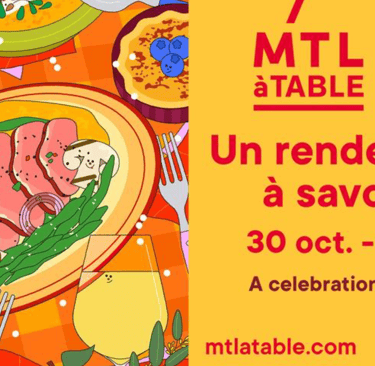
If you’re new to Montréal, one of the most delicious ways to dive into the city’s food scene is during MTLàTABLE 2025. From October 30 to November 16 this year, over 150 restaurants across the city are participating in this city-wide restaurant week event. MTLàTABLE RestoMontreal.ca For a newcomer, it’s like being handed a culinary map of Montréal with a little built-in “try me” discount that makes exploring far less intimidating.
I still remember my first time here in Montréal and feeling a bit lost in the vast variety of dining options. I didn’t know the big names, the neighbourhoods, or even how to pronounce everything. But during MTL à TABLE I found myself jumping into restaurants I might otherwise have passed by—and discovering gems, trusting menus that were fixed-price, and making memories around food more than landmarks.
So if you’re a newcomer—whether you’ve just arrived, are planning a visit, or looking to deepen your local experience—this article walks you through everything you need to know about MTL à TABLE 2025: how it works, how to navigate it, neighbourhoods to try, budgeting, tips for reservations, must-try cuisines, how to make it fit your newcomer budget and schedule, and how to turn it into more than “just dinner” but a deeper exploration of Montréal life and community.
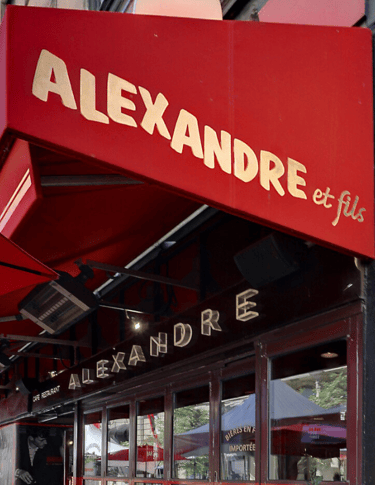
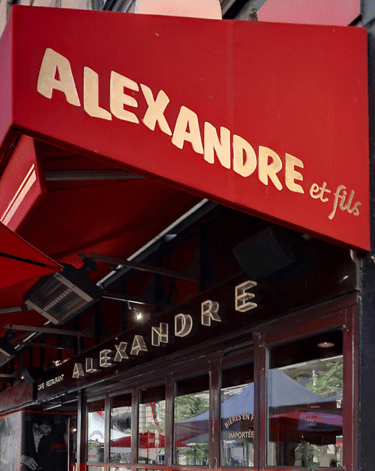
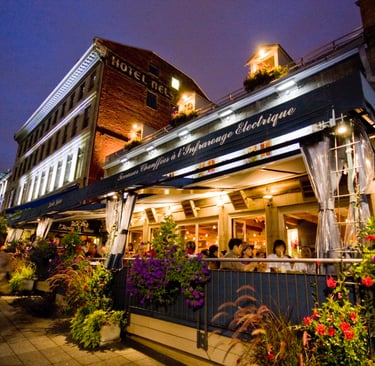
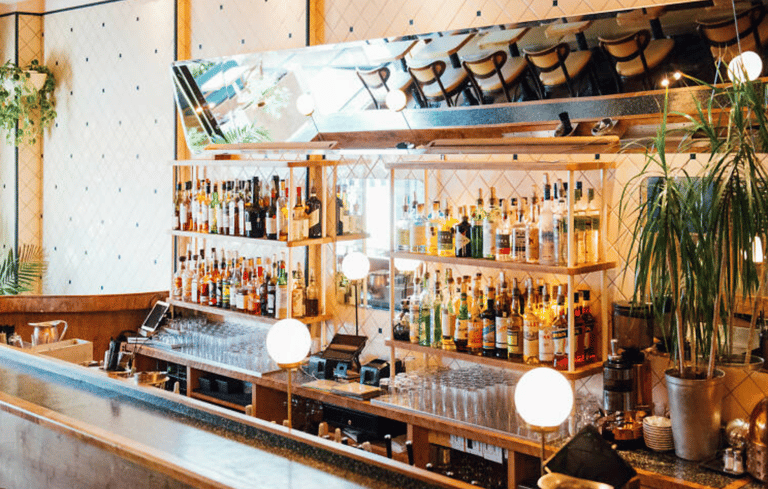
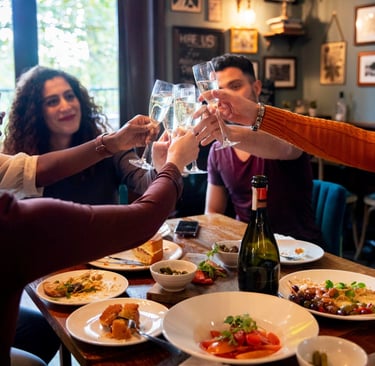
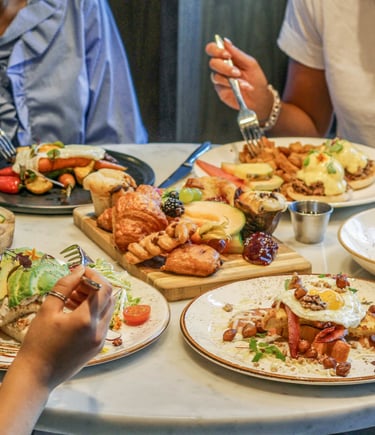
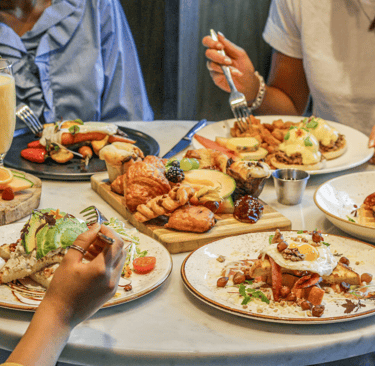
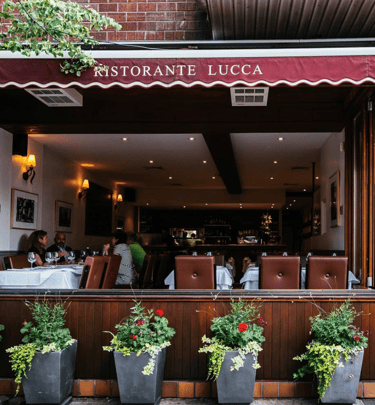
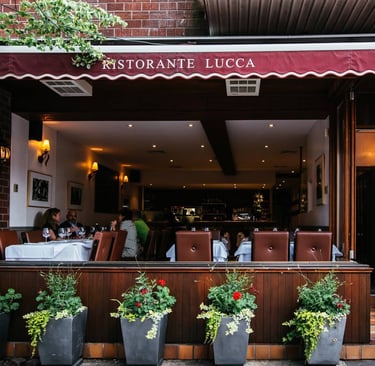
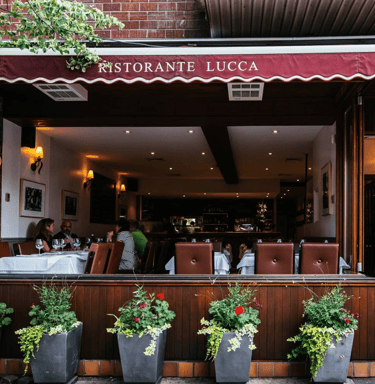
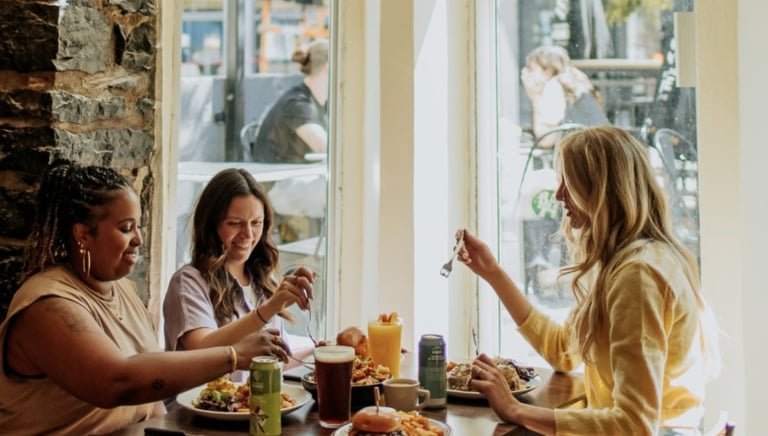
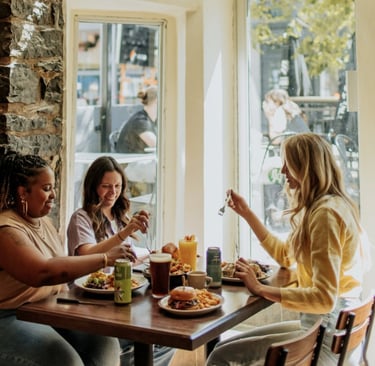
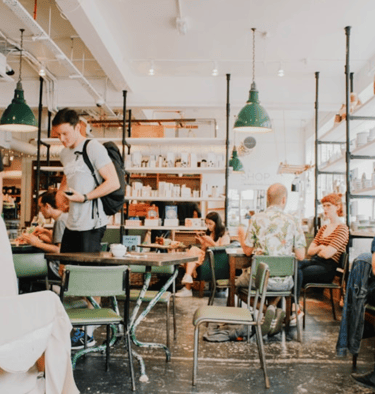
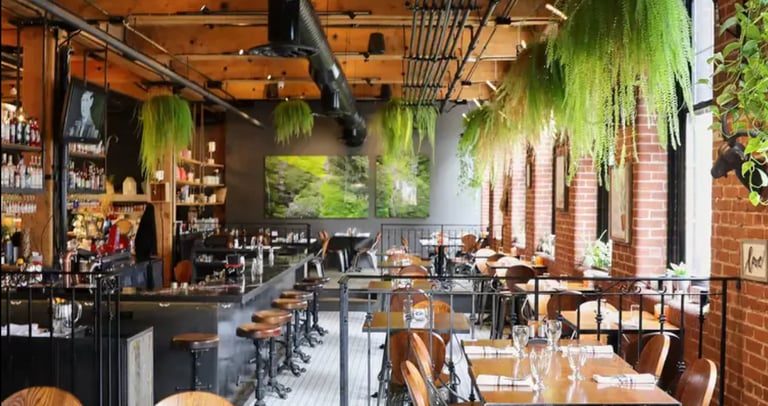
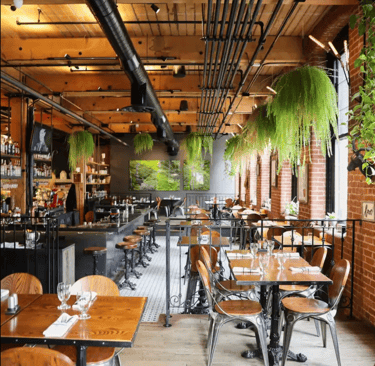
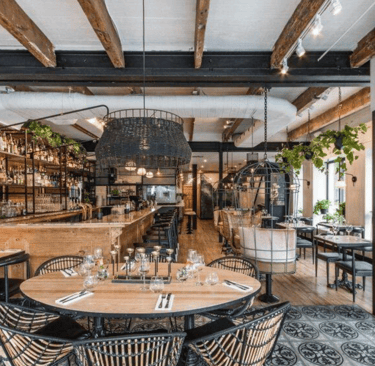
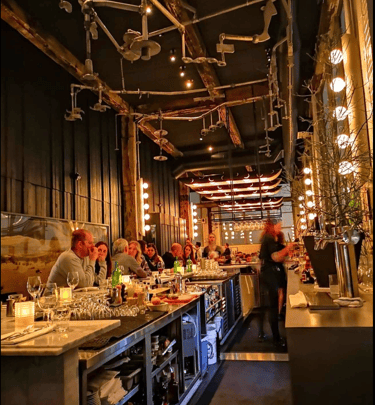
Suggested photo: image of a bustling Montréal restaurant interior with food being served.
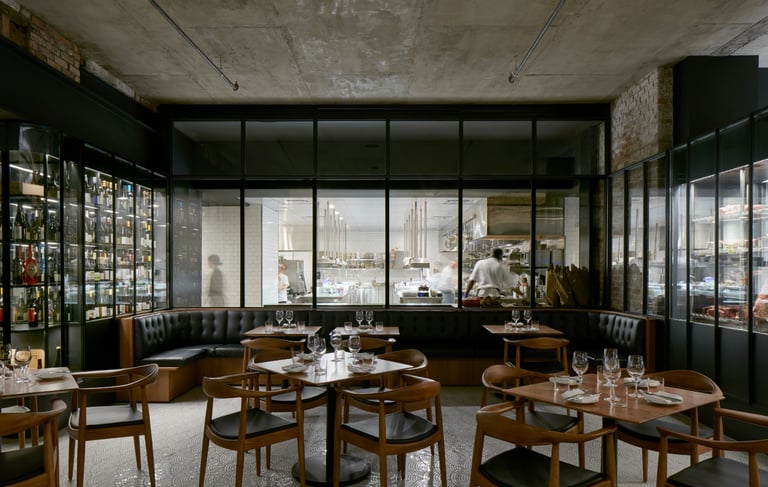
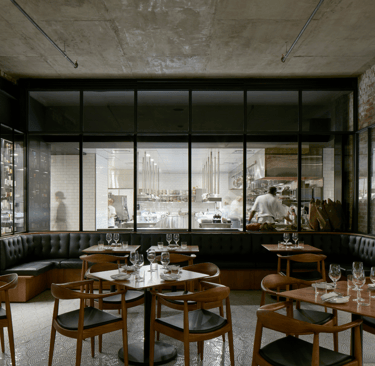
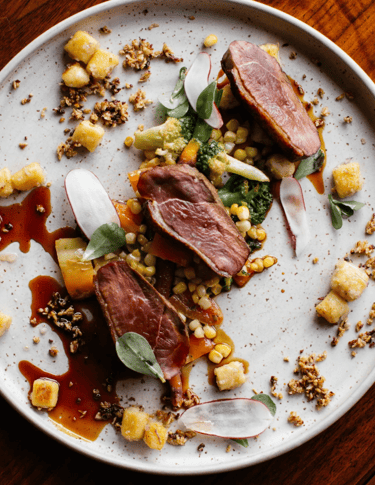
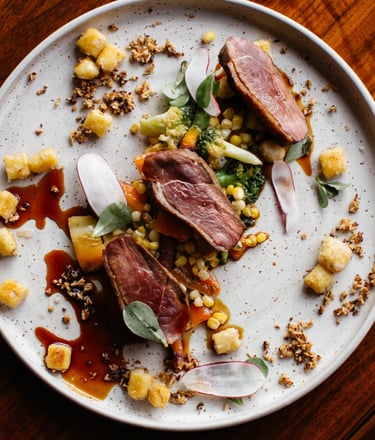
Let’s sit down, order the chef’s favourite, and dig into what makes MTL à TABLE such a special newcomer feast in Montréal.
1. What is MTL à TABLE?
For anyone new to the city, the concept of MTL à TABLE may sound like “just another foodie event”, but in Montréal it’s evolved into something more. It’s the city’s official restaurant week, produced by Tourisme Montréal.
What happens:
From October 30 to November 16, 2025, about 150 restaurants across Montréal offer special “table d’hôte” menus (fixed-price multi-course menus) for dinner (and some brunches) for set prices.
The price categories this year are approximately $35, $50, $65 and $80 for dinner (three- or four-course). And for brunch there is a one-service menu plus a beverage at around $25.
Some restaurants continue to offer their à-la-carte menu alongside the special menu; others only the special. Good to ask.
Why it matters:
For a newcomer, it is a low-barrier way to experience restaurants that might otherwise feel pricey or out of reach.
It gives you a reason to explore neighbourhoods you might not yet know well.
It lets you sample the breadth of Montréal’s cuisine—from classic Québecois to global fusion—at a set cost, which helps when budgeting in a new city.
It’s part of the city’s digestive rhythm: autumn is a transitional season in Montréal, mid-fall, when the leaves are falling and the city begins to settle into winter mode. MTL à TABLE gives a sweet reason to venture out before things really quiet down. canadiantrainvacations.com
A quick note for newcomers:
Even though it’s called “restaurant week”, in practice it runs about 17 days this year (Oct 30–Nov 16) so don’t worry if you think “week” means 7 days.
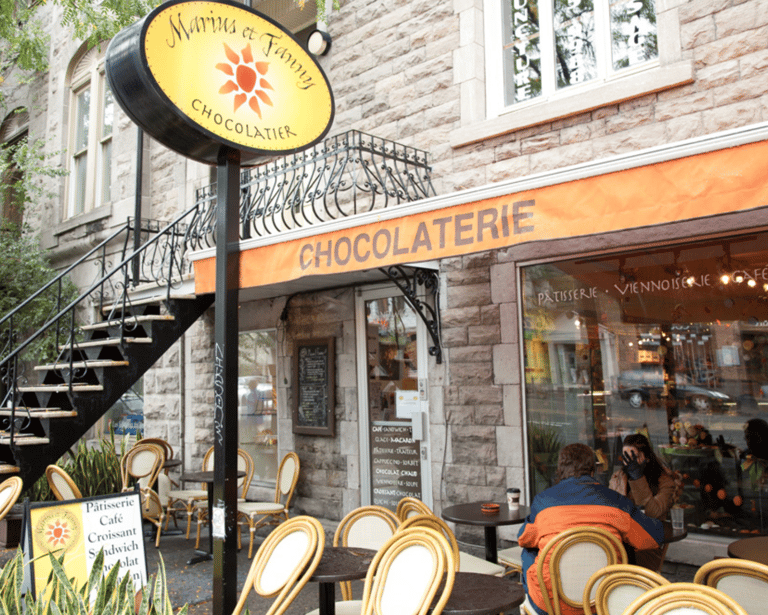
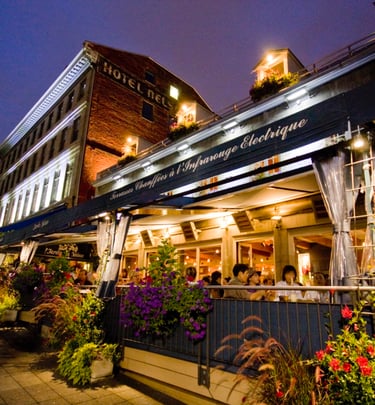
The participating restaurants span many neighbourhoods—downtown, Plateau, Mile End, Outremont, Little Italy, etc. so you can pair a neighbourhood walk or sightseeing with a meal.
Some restaurants are very popular and fill up fast, so plan ahead.
Since you are new, use this as a chance to ask your server about the neighbourhood, the chef, or local food culture, they often love to share.

2. Why the 2025 edition is especially newcomer-friendly
Since you’re a newcomer, you might wonder: “Will I feel out of place?” or “Is this for locals only?” The good news: yes, you’ll absolutely feel welcome and in fact 2025 is well-timed for newcomers for several reasons.
1) Strong number of participating restaurants
With 150 participating restaurants announced for 2025, the scale is broad. The variety means you’ll have choices across cuisine types, budgets, neighbourhoods. That gives you freedom rather than feeling locked into a set list. As someone who is new, you can choose something comfortable (familiar cuisine) or adventurous (something totally new) depending on your comfort level.
2) Clearly structured fixed-price menus
Price clarity is a big plus when you’re still learning the city. The fixed-price model means you know ahead of time what you’ll pay. According to the Q&A the dinner options are $35 / $50 / $65 / $80. Brunch at about $25. That helps with budgeting. No surprises. For newcomers who might still be adjusting their cost of living, that clarity is gold.
3) Excellent timing in the calendar
The period (end of October into November) is perfect in so many ways. You're past summer tourists, the city begins to cool down, and there’s an appetite to get out and enjoy indoor experiences. Also, as one travel site notes:
“Tantalize your taste buds during MTL à TABLE, Montreal’s Restaurant Week.” canadiantrainvacations.com
You’ll be avoiding the freezing-deep-winter part and catching the tail end of fall foliage, maybe a crisp evening, which makes it feel extra special.
4) Gateway to discovering Montréal’s food identity
As a newcomer you might not yet know the difference between “nouveau-Québec”, “Québec terroir”, “fusion Asian-Québec”, etc. MTL à TABLE lets you sample representative menus from multiple types.
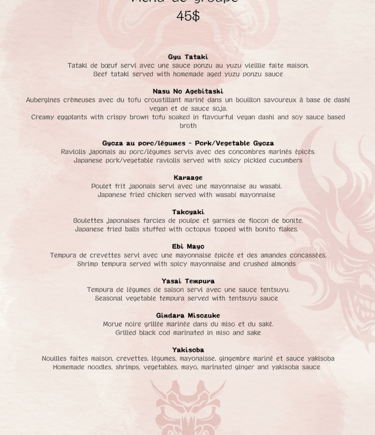
For example, a menu at the cooking school restaurant Restaurant de l’ITHQ during the event offers a vegetarian option, a seafood option, etc. ithq.qc.ca That kind of curated experience helps you understand what “Montréal cuisine” means in 2025.
5) Good value = less pressure
Feeling the pressure in a high-end restaurant when you’re new? During MTL à TABLE you’re joining a celebration of cuisine—not just splurging. It’s okay to relax. The fixed-price menus help shift your mindset from “I must impress” to “I must explore and enjoy”. This is especially freeing for newcomers who may still be figuring out tipping, service norms, dining culture in Montréal.
6) Opportunity to pair with neighbourhood exploration
Since the event spans many restaurants in many districts, you could plan your meal as part of a walk: for example arrive early, browse a local shop, then enjoy the table d’hôte, then stroll the streets. For newcomers trying to “live in Montréal” rather than just visit, that experience builds familiarity with neighbourhood rhythms.

3. How to pick your restaurants
Choosing restaurants can feel overwhelming, especially with a list of 150. Here’s how to filter and pick for a newcomer:
a) Decide your budget and comfort zone
Start with how much you’d like to spend and how comfortable you feel in different dining settings. If you’re still getting used to Montréal dining, you might choose a lower price tier: the $35 or $50 menus. Later, if you feel more confident, try the $65 or $80.
Also decide: are you comfortable with fine dining? Or do you prefer casual, accessible spaces? Use that to filter.
b) Choose the cuisine / experience you’re curious about
Here are some axes to think about:
Classic Québec/Canadian cuisine (think: local produce, meat, traditional dishes)
International cuisine (Italian, Japanese, Latin-American, fusion)
Brunch option (some restaurants offer brunch menus)
Vegetarian/vegan friendly (if that’s your preference)
Review the list of restaurants (on the official site) and see which match your interest. Knowing you’re new, you might pick one familiar type (for comfort) and one adventurous type (for discovery).
c) Pick a neighbourhood you want to explore
For example:
Downtown / Ville-Marie (accessible by metro, easy transit)
Plateau / Mile End (cooler casual neighbourhood vibe)
Little Italy / Outremont (less touristy, more local)
Old Montréal (picturesque but can be more tourist-oriented)
Pick a restaurant in a neighbourhood you want to explore, or one you haven’t yet visited. That way your dinner becomes part of your discovery of the city.
d) Make your reservation early
Given popularity, you’ll want to reserve. According to the Q&A: you don’t have to but it is strongly recommended. Also, if you cannot make it, cancel at least 48 hours ahead. MTLàTABLE
If you arrive without a reservation it might still work, but risk is higher.
e) Check menu details and dietary needs
Once you pick a restaurant, look at the posted special menu on the event website (or restaurant site). The Q&A confirms: “Yes. The restaurants have agreed to offer the same menu. Some seasonal products could need to be changed during the event.” MTLàTABLE
If you have allergies or preferences (vegetarian, vegan, gluten-free), check if the restaurant accommodates these within the special menu or if they can modify it.
f) Consider timing: brunch vs dinner
If you prefer a more laid-back experience, brunch during MTL à TABLE might be ideal. The $25 brunch price (with beverage) helps newcomers ease in. Also brunch tends to be lighter, less formal.
If dinner, consider arriving early enough (evening reservations) and factor in transit time.
g) Think about your “discovery” goal
Given that you’re new to Montréal, use at least one reservation as a discovery of a restaurant you didn’t know. Ask the server about the neighbourhood, the chef, local produce. Turn the meal into a mini-immersive moment rather than just a dinner.
You could even pick one restaurant that’s “classic Montréal” (e.g., Québec-centric cuisine) and one that’s “international twist” to compare.

4. Menu types, pricing and value
Understanding how the menus work helps you maximise value and make decisions with confidence.
Fixed-price table d’hôte system:
Restaurants pick two or more fixed-price options (in 2025, $35, $50, $65, $80) for a 3- or 4-course dinner.
Some restaurants also offer a brunch menu at ~$25 (one service + beverage).
When you reserve, you’ll pick the fixed-price menu (often ahead of time) and you’ll know what courses to expect (starter, main, dessert, sometimes cheese or palate cleanser).
Some restaurants allow you to order additional drinks or extras, but the fixed menu price is for the set items.
Value for newcomers:
You get access to restaurants that might ordinarily charge higher à-la-carte prices, but you’re paying a set lower price.
Because many restaurants are “in the event”, they may showcase signature dishes or special creations that they want to present to a wider clientele; as a newcomer you benefit from that extra effort.
Since everything is part of the event, you don’t feel obligated to order the most expensive bottle of wine or the most lavish supplement; you can enjoy the menu on its own merits.
Budgeting tip:
Decide ahead of time: if you pick the $35 menu, that’s your main cost (plus taxes/tip). In Québec tipping norms are still typical (~15-20 %) so factor that into your total cost so you don’t end up surprised.
If you want wine, check whether wine pairings or glasses are available at event pricing (some restaurants may offer a pairing supplement). For example at the ITHQ restaurant the 5-course tasting with wine pairing was +$57. ithq.qc.ca
Brunch at ~$25 is a great value if you want something daytime, less formal, maybe as a weekend treat.
What to expect in the menu experience:
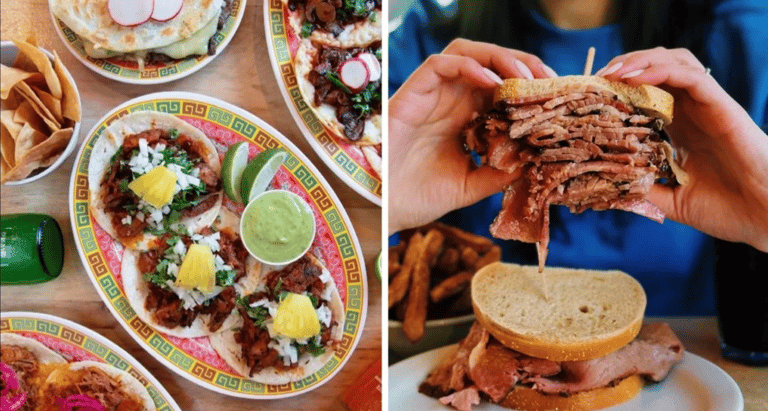
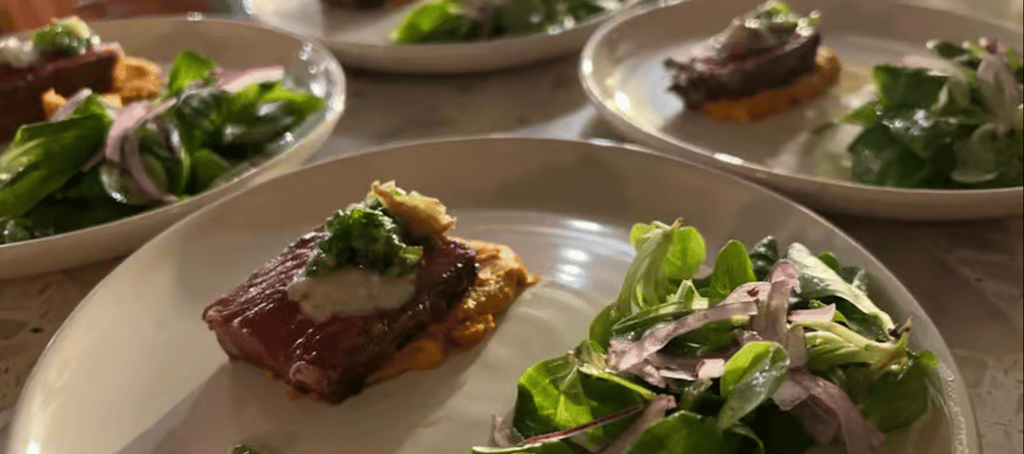
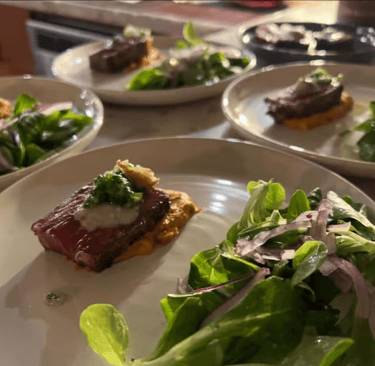
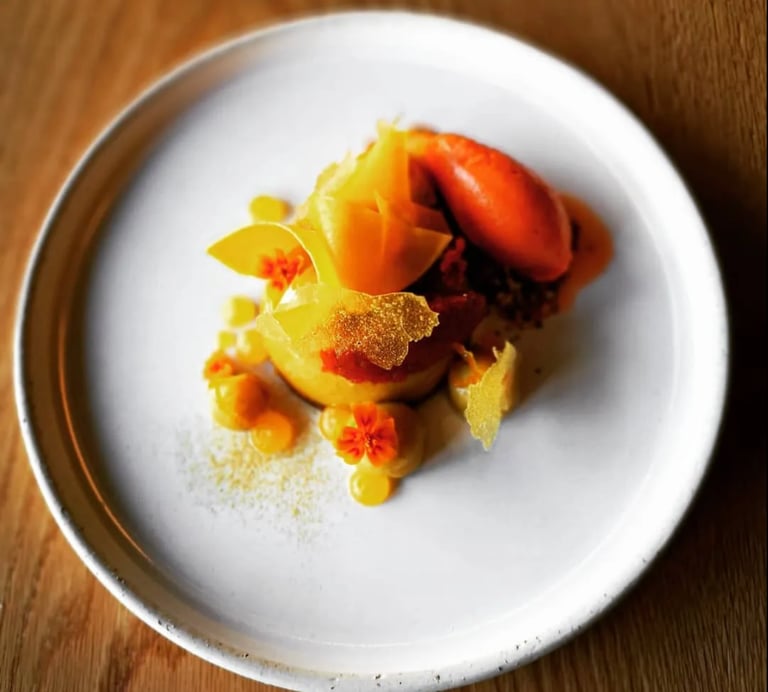
Courses will often highlight local Québec ingredients (maple, local produce, seafood, wild game, meats) alongside creative technique or presentation.
The standard is three or four courses, but some restaurants might provide extra touches (tasting small amuse-bouche, palate cleanser, chef’s surprise) though you should not assume extras unless specified.
Because it’s fixed price, you will likely get smaller portions than à-la-carte à la carte (so you stay comfortable) but with high quality. Some diners feel full, some feel they could still get dessert—but for a newcomer experience it’s fine.
How to get the most value:
Choose a price tier you’re comfortable with but maybe push once to the next tier if you want something special (e.g., from $50 to $65).
If you like wine or cocktails, decide whether you’ll order one glass or share. It’s okay to keep the experience moderate.
Add a dessert-only or extra drink, but be mindful the fixed price is your anchor.
Use this event to try something you would normally skip (chef’s tasting for example) because the price is more accessible.
Pair the meal with a stroll before or after, so you get two experiences, dining + neighbourhood exploration, for one reservation.
5. Navigating neighbourhoods & transport
As a newcomer, exploring different neighbourhoods around your meal helps you build familiarity with Montréal’s geography and vibe. Here are suggestions on how to pick neighbourhoods and how to get there, what to do before/after.
Neighbourhood suggestions:
Downtown / Ville-Marie: Ideal if you’re staying centrally, easy to access by metro or bus. Offers many high-end restaurants and event participants.
Plateau / Mile End: Quirky cafés, boutique shops, artsy atmosphere. Good for dinner + post-meal stroll.
Little Italy / Outremont: Slightly quieter, less touristy, more local. Great for hearing French/English mix and discovering hidden gems.
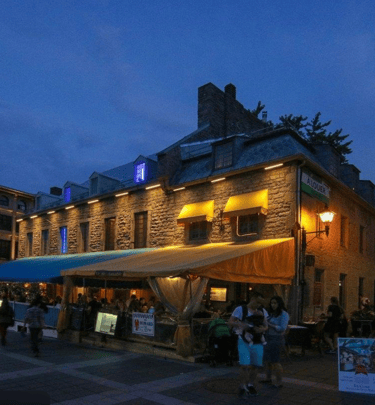
Old Montréal (Vieux-Montréal): Charming cobblestones, tourist-friendly, good for an early dinner before exploring historical architecture.
Hochelaga-Maisonneuve: Less obvious for newcomers, but exploring here gives you a deeper sense of Montréal beyond the well-trod zones.
Transit and planning:
Use the Montréal public transit system (STM Métro & buses). Many restaurants will be near a metro stop. For newcomers, it’s a cost-effective alternative to taxis.
If you’re staying in a neighbourhood, pick a restaurant walkable from your accommodation so you minimise transit stress.
If you plan to explore the neighbourhood before or after, arrive early, lock in your reservation, then give yourself time for a walk, coffee, dessert or neighbourhood photography.
Before/After the meal:
Arrive 15-20 minutes early if you want to explore the district. Maybe have a coffee or aperitif nearby.
After your set menu, consider a post-meal drink or dessert in a nearby café or bar (check if the restaurant offers a suggestion).
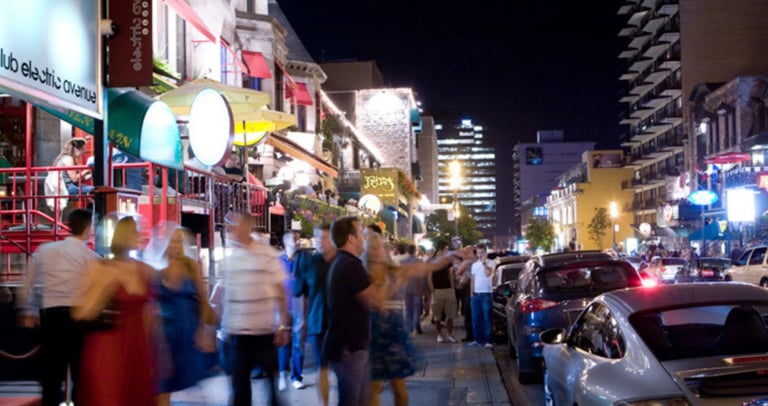
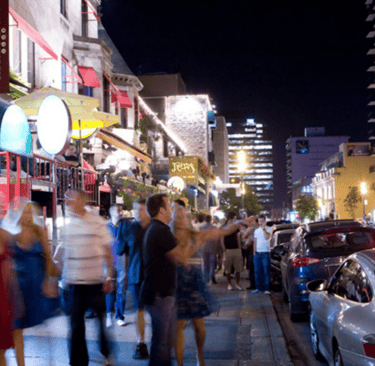
Use that time to soak in the neighbourhood vibe: storefronts, pedestrians, lighting of autumn evenings in Montréal.
Tips for newcomers:
Dress code: Many participating restaurants are casual-smart. You don’t have to be ultra-formal, but clean and comfortable clothes help you feel confident.
Reservations: As noted, book ahead. For neighbourhoods you’re less familiar with, double-check how to get from your place to the restaurant (metro/bus/taxi).
Language: Montréal is bilingual in many restaurants, staff often speak English and French. If you’re more comfortable in English, it’s fine—but trying a “Bonjour” when you arrive is always appreciated.
Arrive with curiosity: Use the meal as a chance to ask about the restaurant’s story, the neighbourhood, the menu inspiration—this transforms it into a richer cultural experience rather than just “eating out”.
6. Cultural and social aspects of dining in Montréal
Dining out means more than eating—it’s part of how people live and socialise in Montréal, and as a newcomer you’ll gain insight into local rhythm and culture through this experience.
Service and tipping culture:
In Québec, tipping is customary—typically 15-20 % of the pre-tax bill (though some pay more).
Service is generally relaxed but professional; servers are friendly. Don’t feel you must speak perfect French, but being polite goes a long way.
If the fixed-price menu includes service charge (rare), staff should mention it; otherwise tip as normal.
Use the fixed-price menu to your advantage: since cost is known ahead, you’ll be more comfortable ordering without stress.

7. Sample itineraries for newcomers
Here are some curated ideas you can adopt, adapt, or mix up. Each itinerary assumes you’re new to Montréal and want the meal to be part of your city-experience rather than just “eat and leave”.
Itinerary A: Chill Saturday brunch + neighbourhood stroll
Late morning: Start with a walk in the Plateau (Mount Royal Ave or nearby). Explore boutique shops, graffiti walls, casual cafés.
Brunch time (~11 a.m): Reserve a brunch offering under MTL à TABLE (~$25 + beverage). Enjoy a relaxed set menu—maybe pancakes with local maple, eggs, etc.
After brunch: Walk to a nearby park or landmarks (ex: Parc du Mont-Royal viewpoint, or take metro to Old Montréal).
Late afternoon: Coffee or pastry stop; chat with local residents or café staff about the city.
Dinner (~6–7 p.m): Choose a $50 dinner option in Little Italy or Outremont for a slightly less touristy setting. Enjoy the set menu, then linger for dessert or coffee.
Evening stroll: End with a walk back through the neighbourhood, perhaps a drink at a casual bar, absorbing the local vibe.
Itinerary B: Weeknight fine dining treat
Early evening: Arrive at restaurant around 6:30 p.m. (many locals dine later, but for newcomers earlier helps).
Pick a higher tier menu (e.g., $65 or $80) to make it a special experience.
Before dinner: Consider visiting a nearby gallery or walk by the water, so you arrive relaxed and curious.
Dinner: Enjoy 3- or 4-course meal, ask about provenance of ingredients, local wine/beer pairing suggestions.
After: Ask the server for a dessert wine or digestif recommendation, then take a short stroll to a local bar or café, perhaps share dessert or coffee.
Late evening: Use metro or taxi back. As a newcomer it’s nice to avoid fatigue, so book transport ahead if needed.
Itinerary C: Explorer day for newcomers
Afternoon: Visit a Montréal neighbourhood you haven’t been to (e.g., Hochelaga-Maisonneuve). Walk around, discover local shops.
Early evening: Pick a restaurant in that neighbourhood participating in MTL à TABLE (perhaps one with cultural cuisine).
Dinner: Choose the $50 menu, engage with server, ask about neighbourhood influence.
Post-dinner: Walk a bit, maybe to a street-corner bakery, or find a viewpoint. Use the meal as entry into the local community rather than just a “tourist dinner”.
Bonus: If weather allows, take a night bus or metro ride across town to see city lights, then return.

8. Final thoughts & forward-looking tips
As you prepare for MTL à TABLE 2025, here are some final thoughts and tips to help you turn the event into a real part of your Montréal journey:
Don’t worry about “doing it all”. One great meal, one brunch, and one walk in a neighbourhood you’re curious about is enough to make MTL à TABLE meaningful.
Stay open. Maybe you’ll pick the easiest cuisine you know, but if one dish is unfamiliar, try it. That’s how you expand your palate and your sense of place.
Consider making “dining out” part of your integration: meet someone new, exchange stories, ask locals for their favourite hidden places.
Use transit. Rather than taking a taxi everywhere, pick a metro-accessible restaurant and walk from the station. That builds your comfort with the city’s rhythm.
If you love the experience, plan ahead for next year. Use your notes and memories to pick something even more adventurous next time.
Finally: savour the moment. MTL à TABLE is about more than food, it’s about celebration. It’s a toast to life in Montréal, to your new chapter, to the city welcoming you. Embrace that.