
1. Tourtière: The Heart of the Table
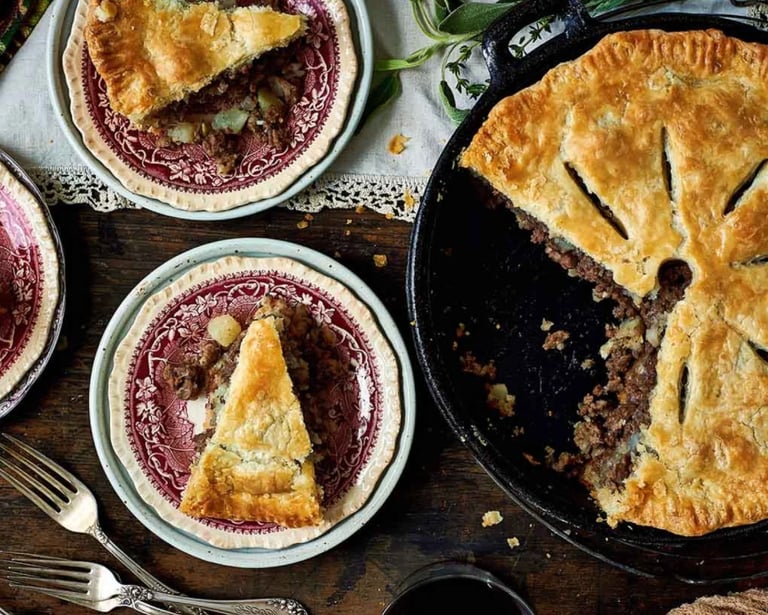
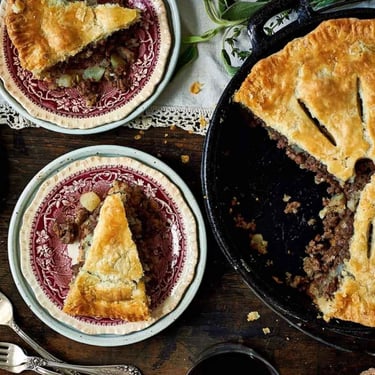
No Christmas menu in Québec is complete without tourtière, the golden-crusted meat pie that defines the season. Every region, and every family, has its version. In Saguenay–Lac-Saint-Jean, it’s a deep casserole layered with cubes of meat and potatoes baked slowly for hours. In Montréal or Trois-Rivières, it might be a lighter version using ground pork and beef seasoned with onions, cloves, and cinnamon.
Its roots go back to 17th-century settlers who needed sustaining food to endure long winters. The word tourte referred to both the pie and the wild pigeon once used in it; when the bird vanished, pork and beef filled the gap. Today, slicing into a tourtière feels ceremonial, the sound of crust breaking, the fragrance of warm spice escaping. It’s a dish that connects modern cooks with their ancestors, one bite at a time.
Pair it with homemade ketchup or green-tomato relish, and the past feels deliciously alive again.
2. Ragoût de Boulettes: Comfort in a Pot
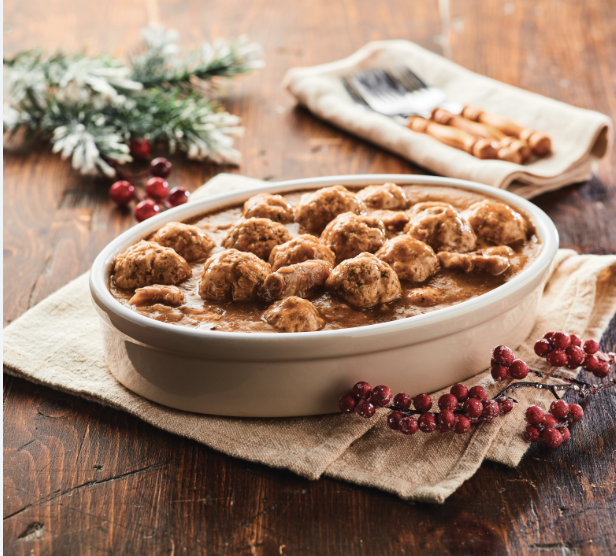
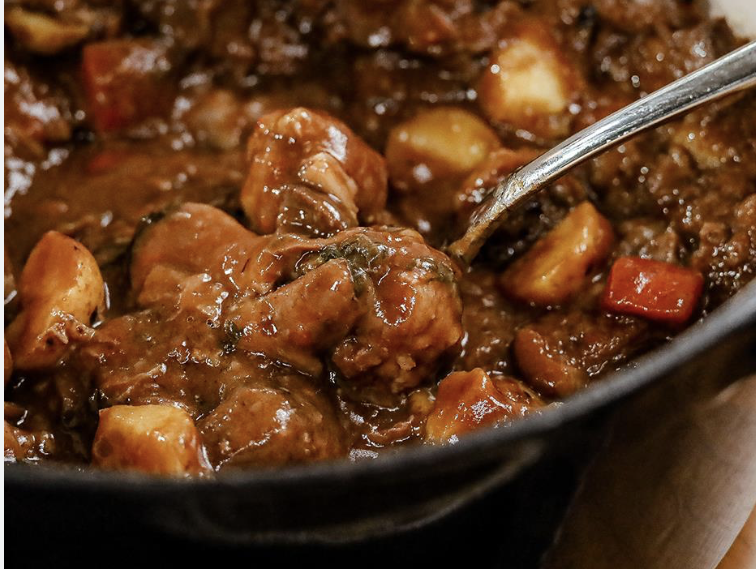
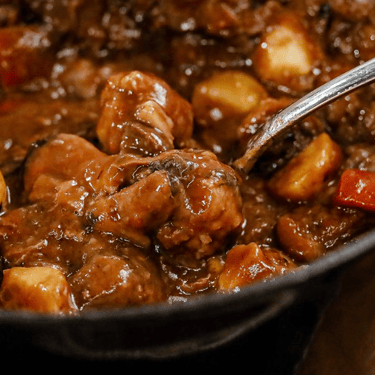
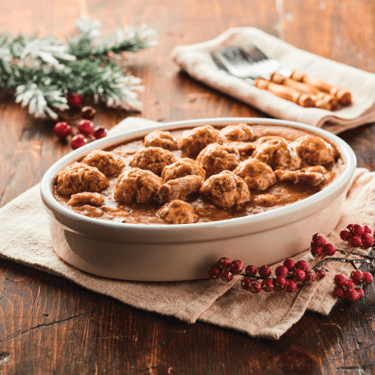
If tourtière is the centerpiece, ragoût de boulettes is the soul of a Québec Christmas kitchen. Small pork meatballs browned in the oven and simmered in a thick, aromatic gravy, this dish embodies the province’s French-Canadian thrift and ingenuity. Nothing fancy, just pure comfort.
The secret lies in the roux brun, flour slowly roasted until nutty and deep brown before thickening the stew. Spices like cinnamon, cloves, and nutmeg give it a warmth that’s instantly recognizable to anyone who’s spent a December evening in a Québec farmhouse. It’s ladled over mashed potatoes or buttered bread, the kind of meal that makes the room fall silent for a moment of contentment.
Even families that no longer cook grand feasts often make at least one batch of ragoût every winter, it freezes well and tastes even better the next day. Some say the trick is to roll the meatballs small, no bigger than a walnut, so they soak up the sauce. Others swear by browning them in lard, not oil. Either way, one spoonful and you understand why this humble stew endures.
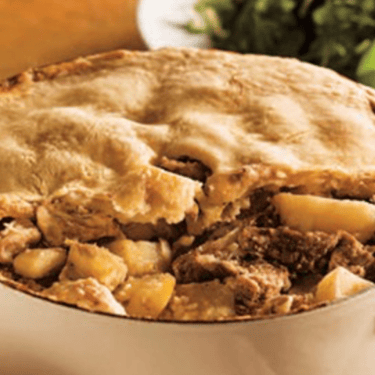
3. Cipaille: Layers of Memory
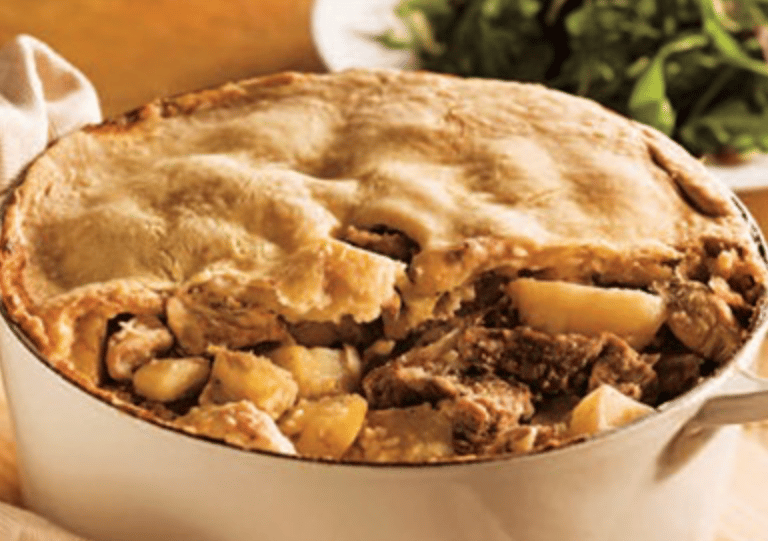
Imagine a pie so grand it takes nearly six hours to bake. Cipaille (sometimes spelled cipâte or six-pâtes) is the proud cousin of tourtière, a towering layered pie traditionally filled with cubes of beef, pork, chicken, and sometimes moose or partridge. Each layer is separated by pastry, and as it bakes slowly, the juices mingle into a rich, savory gravy.
In the old days, families baked cipaille in large cast-iron pots set directly in wood-fired ovens. The result fed entire households and neighbors alike. Today, it’s often made for New Year’s Eve gatherings, when friends crowd around long tables with bottles of wine, laughter echoing off frosted windows.
Cipaille isn’t just food; it’s celebration architecture, patience turned into flavor. Serve it with pickled beets or homemade chutney, and it becomes the dish people remember long after the party ends.
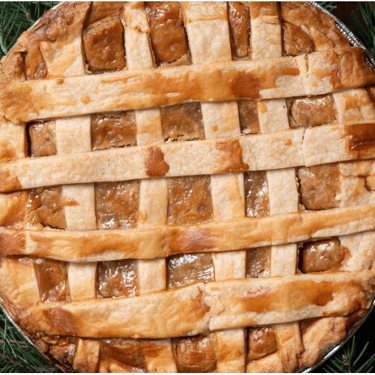
4. Tarte au Sucre: The Sweet Soul of Québec
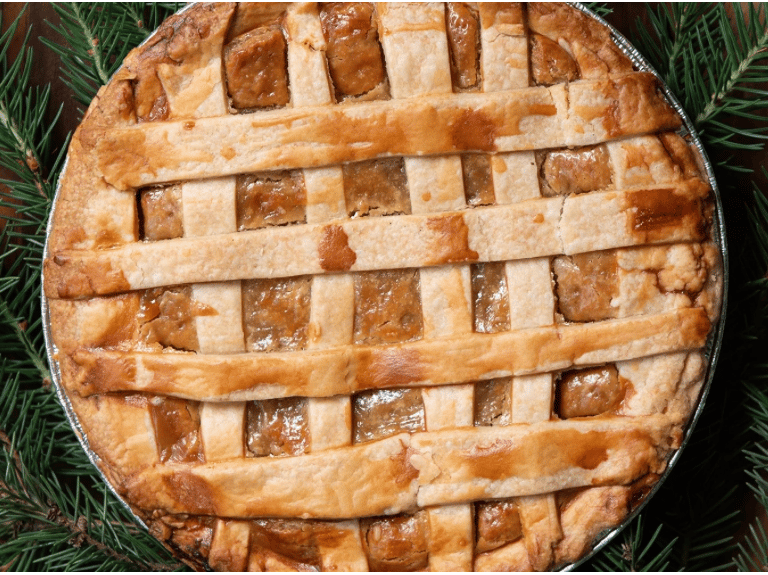
Few desserts capture the spirit of Québec like tarte au sucre, or sugar pie. Made from simple pantry ingredients. brown sugar, butter, and cream, it turns poverty-era necessity into indulgent luxury. The scent alone can transport anyone back to their grandmother’s kitchen.
At Christmas, it’s often the finale to a Réveillon meal, served warm with whipped cream or ice cream melting into its syrupy filling. The contrast between flaky crust and gooey sweetness makes it impossible to have just one slice.
There’s poetry in its simplicity. Early settlers had limited ingredients, but plenty of maple and sugar. The result is a dessert that feels generous even when it’s modest. In modern kitchens, some bakers swap part of the sugar for maple syrup, deepening the flavor. Either way, it’s a taste of old Québec, golden, soft, and unapologetically sweet.
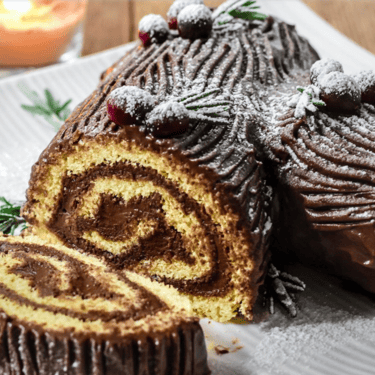
5. Bûche de Noël: A French Tradition with Québécois Spirit
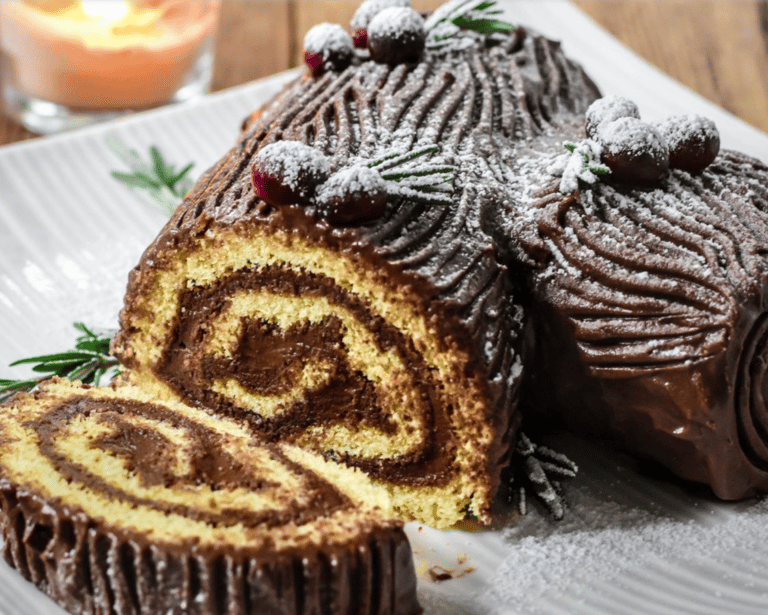
Imported from France but now fully adopted in Québec, the bûche de Noël (Yule log cake) is a holiday showpiece. It’s both nostalgic and playful: a rolled sponge cake filled with buttercream or ganache, frosted to resemble a snow-dusted log, complete with meringue mushrooms and chocolate “bark.”
Québécois families love to personalize it, some add maple syrup to the filling, others spike the cream with espresso or rum. Children delight in decorating it with powdered-sugar snow and little forest figurines.
Beyond its appearance, the bûche celebrates continuity, the log once burned on the hearth to bless the home; now, it’s served on the table to bless the feast. As candles flicker nearby and carols play softly, slicing the first piece feels like unwrapping the season itself.
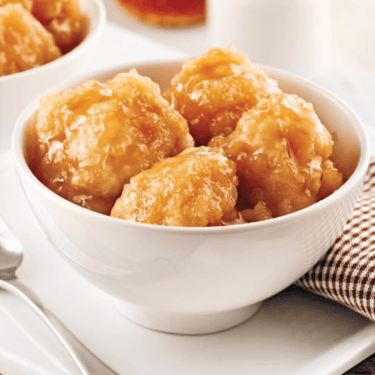
6. Grand-Pères dans le Sirop d’Érable, Sweet Dumplings of the North
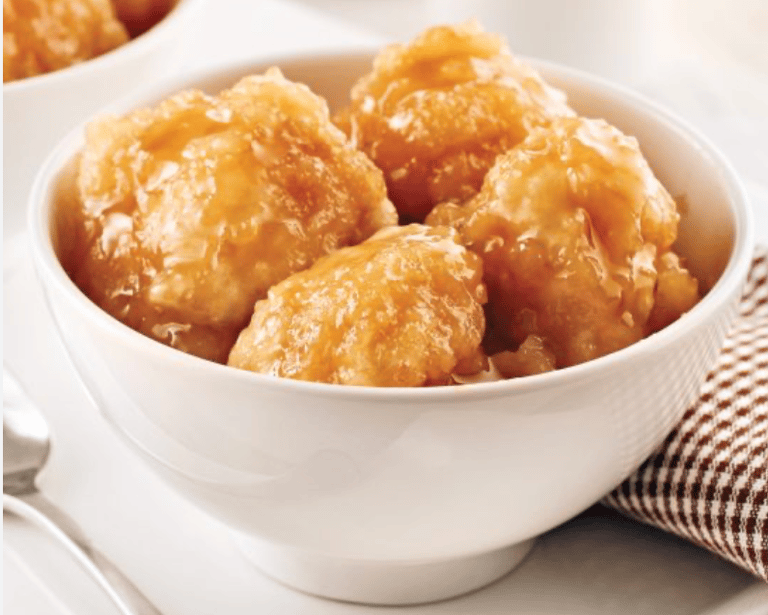
Grand-pères , literally “grandfathers”, are tender dumplings poached in boiling maple syrup and butter. The name supposedly comes from grandfathers who stayed home while the younger generation worked the sugar shacks, cooking these simple treats with the leftover syrup.
They taste like childhood comfort: soft, golden dough soaked in amber sweetness. Served hot with a spoonful of vanilla ice cream, they melt into something dreamlike.
For newcomers to Québec, this dessert is an instant revelation. It’s rustic, quick to make, and pure maple bliss. Many families serve it late in the evening, when the main feast is over and the conversation lingers. The smell alone, maple, butter, dough, can make anyone believe in Christmas magic.
7. Soupe aux Pois: Humble, Hearty, Historic
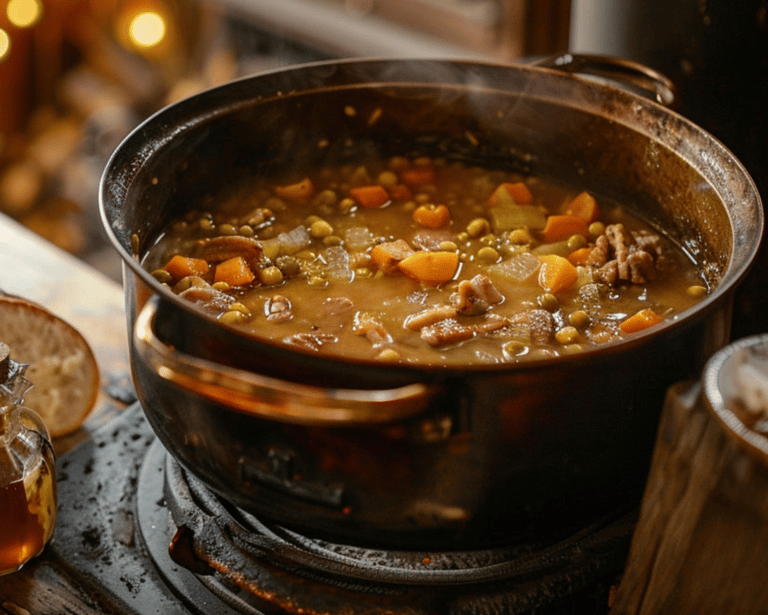
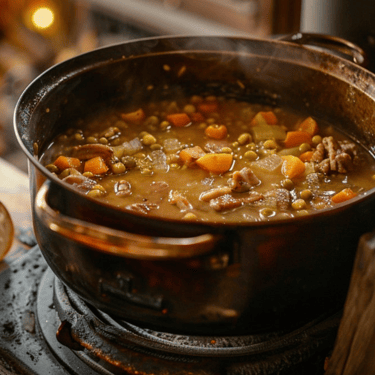
Before the feast, there’s often soupe aux pois, Québec’s classic yellow split-pea soup. It’s thick, simple, and deeply nourishing, exactly what one needs in the cold season. Traditionally made with a ham bone, onions, and herbs, it was once the staple of lumber camps and monasteries alike.
Its history reaches back to the earliest settlers who relied on preserved peas through long winters. Today, it still opens many Réveillon meals, a soothing prelude to the richness that follows.
Paired with crusty bread and butter, it’s both modest and meaningful, a culinary reminder that the simplest foods often hold the deepest comfort.
8. Ragoût de Pattes de Cochon: The True Old-World Feast
For traditionalists, ragoût de pattes de cochon (pork hock stew) is the heartiest and most historic dish on the table. It’s a labor of love: pork hocks simmered for hours in a spiced brown sauce until the meat nearly falls from the bone.
In the early 1900s, this dish was a sign of abundance; farmers used every part of the pig, wasting nothing. Today, it’s a nostalgic centerpiece that evokes stories of family farms and snowy countryside suppers. Some cooks combine it with meatballs to make the famous ragoût de pattes et boulettes.
Though it may sound rustic, its aroma fills a house with irresistible warmth, a savory perfume of cloves, onions, and roasted flour. Served over mashed potatoes, it’s a feast for true traditionalists.
9. Salade de Betteraves: Bright Colors in a White Season
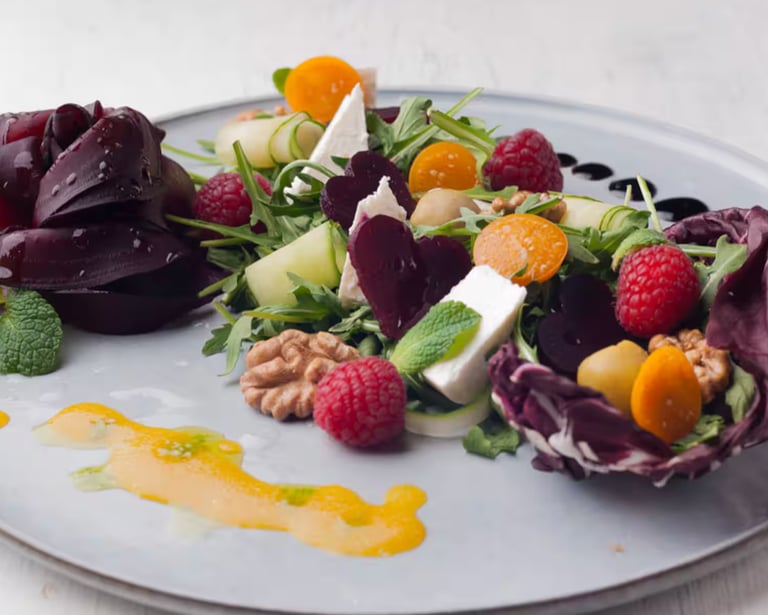
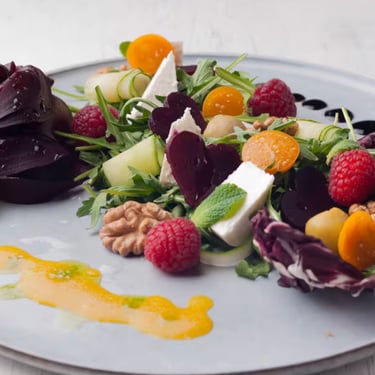
Québec winter cuisine leans rich, so every table needs a splash of color, and salade de betteraves (beet salad) is the perfect contrast. Bright, earthy, and slightly sweet, it cuts through the heavier dishes with a welcome freshness.
Beets are boiled or roasted, then dressed with a maple-Dijon vinaigrette and sometimes sprinkled with walnuts or goat cheese. It’s simple, but on a Christmas table of browns and golds, the deep crimson of beets looks like edible jewels.
This salad also nods to the province’s love of root vegetables, practical, locally grown, and stored through winter, proving that even the simplest ingredients can shine with a touch of maple.
10. Caribou: A Toast to Winter
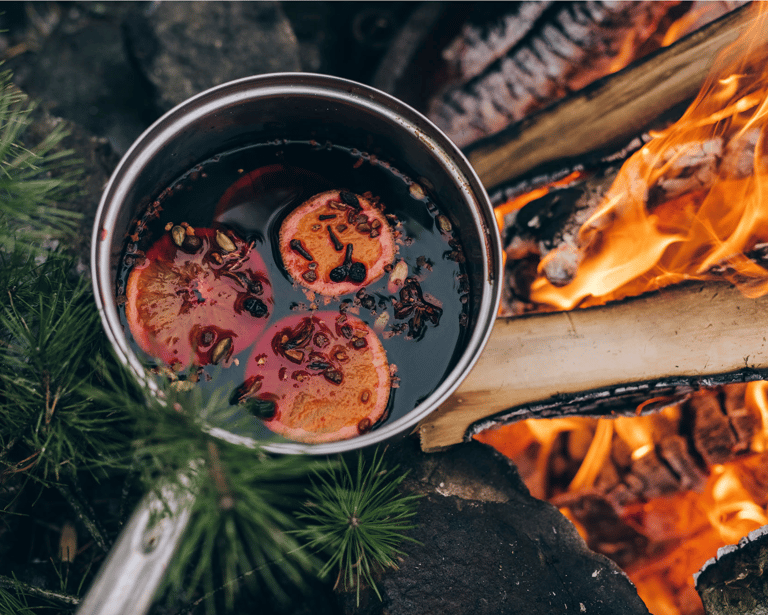
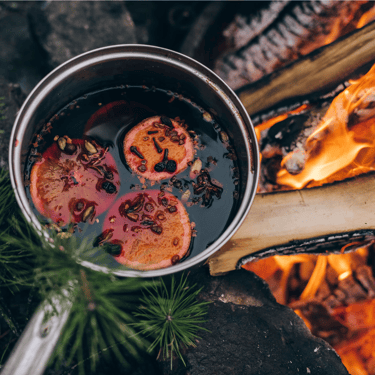
To finish, every Québécois celebration needs a glass of Caribou. This traditional mulled drink blends red wine with a splash of whisky or brandy, spiced with cinnamon, cloves, and orange zest, and sweetened with maple syrup. Served steaming in mugs, it’s the warmth of hospitality itself.
The drink dates back to 18th-century fur traders who mixed spirits with animal blood (hence the name) to stay warm. Thankfully, modern versions skip the protein and double the cheer.
You’ll find Caribou served at Christmas markets, outdoor concerts, and Carnival celebrations across the province. Making it at home is easy, and it fills the kitchen with the scent of spiced wine and celebration. Pair it with a slice of bûche de Noël or sugar pie for a toast that says, Joyeux Noël à la québécoise!
The Spirit Behind the Recipes
What ties these ten dishes together isn’t just tradition, it’s community. Québec’s winter table was built on sharing: families gathering after midnight Mass, neighbors dropping in with jars of pickles or extra desserts, children sneaking cookies while adults refilled their wine glasses.
Even in cities, this spirit survives. Small Montréal bakeries still sell tourtières by the dozen in December. Market stalls overflow with maple fudge and bûches in every flavor. Restaurants from Québec City to Trois-Rivières serve updated versions of these classics, some refined, others delightfully old-fashioned, but all carrying the same message: joy, generosity, and warmth in the heart of winter.
For newcomers to Québec, cooking these dishes is more than a culinary adventure; it’s a way to understand the province’s soul. Each recipe tells a story, of settlers adapting to a harsh climate, of families finding joy in simple ingredients, of generations passing down recipes scribbled on stained notecards.
And for lifelong Québecers, they’re a taste of continuity: the same flavors that comforted grandparents still grace tables today.
Bringing the Tradition Home
You don’t need to host a midnight feast to enjoy these recipes. A single tourtière or a batch of maple dumplings can bring a touch of Réveillon spirit to any December evening.
Here’s how to weave them into your own celebration:
Host a “Québec Christmas Night” serve mini tourtières, mulled Caribou, and sugar pie for dessert.
Combine old and new. Pair traditional ragoût with modern sides like roasted root vegetables and a beet salad.
Add a maple twist. Maple syrup ties everything together in glazes, sauces, or desserts.
Play Québec music. Set the mood with Les Cowboys Fringants, La Bottine Souriante, or classic carols like Il est né le divin Enfant.
Share stories. Ask guests which dishes remind them of home, that’s the true Réveillon spirit.
Where Tradition Meets Today
Québec’s Christmas food culture continues to evolve. Chefs now reinterpret classics: vegan tourtières, maple-smoked ragoût, even gluten-free sugar pies. Bakeries like Pâtisserie Rhubarbe and Maison Christian Faure craft elegant modern bûches, while local microbreweries release Caribou-inspired holiday ales.
Yet, despite the innovation, one thing remains constant: the sense that Christmas cooking here is an act of love. It’s the time when generations gather around the stove, sleeves rolled up, flour dusting the counters, maple syrup simmering on the range.
In a province where winters are long and nights are cold, these dishes bring light and laughter. They remind everyone, newcomers and locals alike, that joy doesn’t come from grand gestures, but from shared meals, good company, and the stories passed from one kitchen to the next.
In the End, It’s All About Warmth
As snowflakes fall softly over Montréal’s rooftops and the glow of Christmas lights reflects in the icy streets, the aroma of meat pies and sugar desserts tells you one thing: the holidays are here.
Whether you’re cooking for two or twenty, whether you follow every old tradition or invent new ones, these ten recipes invite you to taste what makes a Québec Christmas so unique. It’s the perfect mix of heritage, humor, hospitality, and a hint of maple in everything.
So light a candle, pour a mug of Caribou, and start your own Réveillon, wherever you are.
Because in Québec, the magic of Christmas begins in the kitchen.
A Taste of Christmas in Québec: Ten Traditional Dishes to Bring the Holidays Home
When December snow begins to swirl around church steeples and the scent of pine fills Montréal’s streets, kitchens across Québec come alive with the sound of simmering pots, rolling pins, and laughter. For generations, families have gathered around the Réveillon table, the late-night Christmas Eve feast that stretches past midnight, to share food steeped in history, love, and the comforting rhythm of winter tradition.
From the hearty meat pies of the Saguenay to the sweet aromas of maple and brown sugar wafting through small village homes, Québec’s festive cuisine is more than a meal; it’s a living expression of the province’s identity. Whether you grew up here or are discovering it for the first time, these ten traditional dishes capture the heart of a Québécois Christmas, rustic, generous, and full of warmth.